A colostomy is an important, lifesaving procedure that does not come without its challenges and at times, its complications. Understanding these complications includes being able to identify them and electing the proper response to the complications in question.
One of the complications from a colostomy is the issue of discharge from the rectal area. Even though the bowel is no longer in use post-colostomy, it still produces mucus on the bowel’s lining. Discharge color and consistency varies but is often an off-white color. Seeing discharge is not a reason to be alarmed since its a natural bodily function, however if blood or pus is evident in the discharge then contacting your general practitioner or GP is the best course of action.
If there is no blood or pus present in the discharge, then expelling the discharge is highly recommended. This is crucial in order to prevent mucus buildup which could cause further complication. Doctors recommend sitting on the toilet and expelling mucus in a similar manner as making a bowel movement. This of course can be more difficult for those who have lost sensation in rectal and anal regions. Barrier skin creams are also another option for those feeling discomfort or lack of any sensation in order to assist with passing mucus.

Another potential complication to watch out for are parastomal hernias. These type of hernias occur due to muscles weakening after surgery. Fortunately, parastomal hernias do not usually require surgery and can be prevented by wearing support belts, avoiding heavy lifting and maintaining a healthier weight. Even in the cases of surgery, sometimes the hernia can reappear.
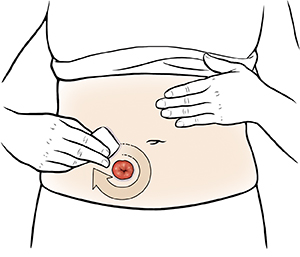
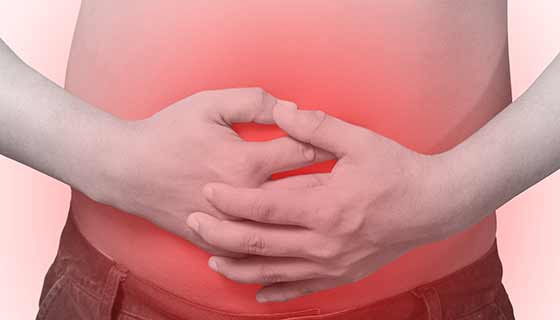
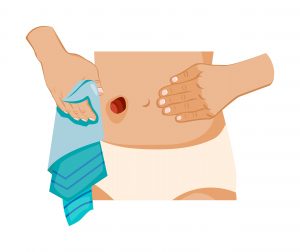
The next issue that can arise from colostomy, is stoma blockage due to food build-up. There are signs and symptoms of a blockage such as stomach swelling, lack of stool passage, nausea, vomiting and stoma swelling. In the event the stoma is obstructed, there are in-home methods in order to alleviate the issue. Massaging the belly in addition to taking a hot bath for at least 15-20 minutes as solutions for relaxing the abdominal muscles. Abstaining from solid foods and transitioning to a liquid based diet temporarily is another potential solution in order to remove the stoma blockage. If these things do not work within a few hours, the next step would be to seek a medical professional such as a general practitioner, a stoma nurse or even the A&E. The A&E is the Accident and Emergency services which as its name implies, takes on emergency calls. Seeking a medical professional in this case is crucial due to the risk of the colon bursting.
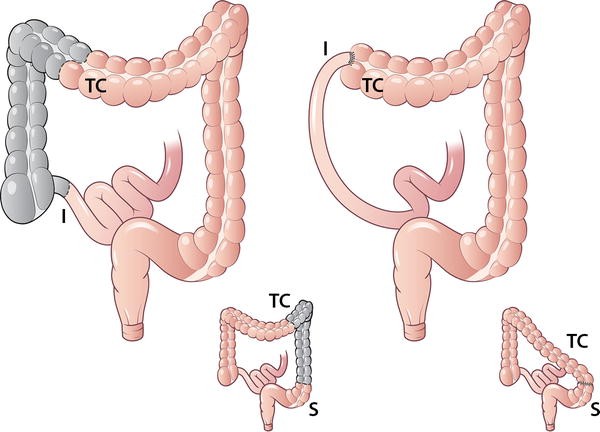
Other albeit less serious complications include skin irritation, stoma fistula, stoma protraction and stoma prolapse. These things can be easily corrected with the help of a stoma care team that guides you on post-op care and procedure.
Understanding and identifying the risks of post-op complications puts a patient in the best position in seeking the proper care and management of their condition while leading a healthy and normal life.
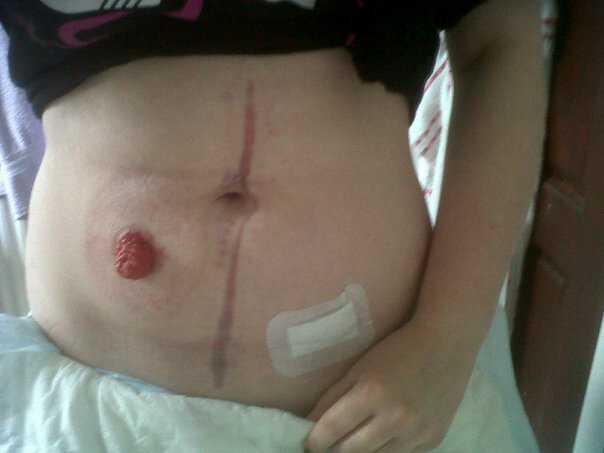
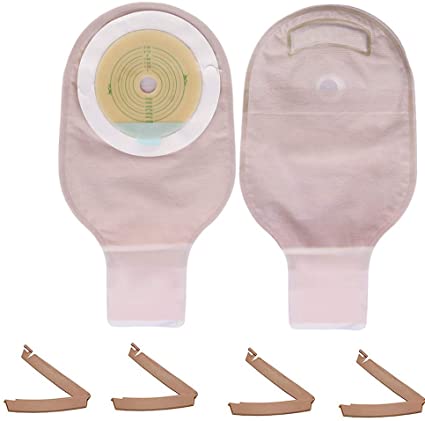
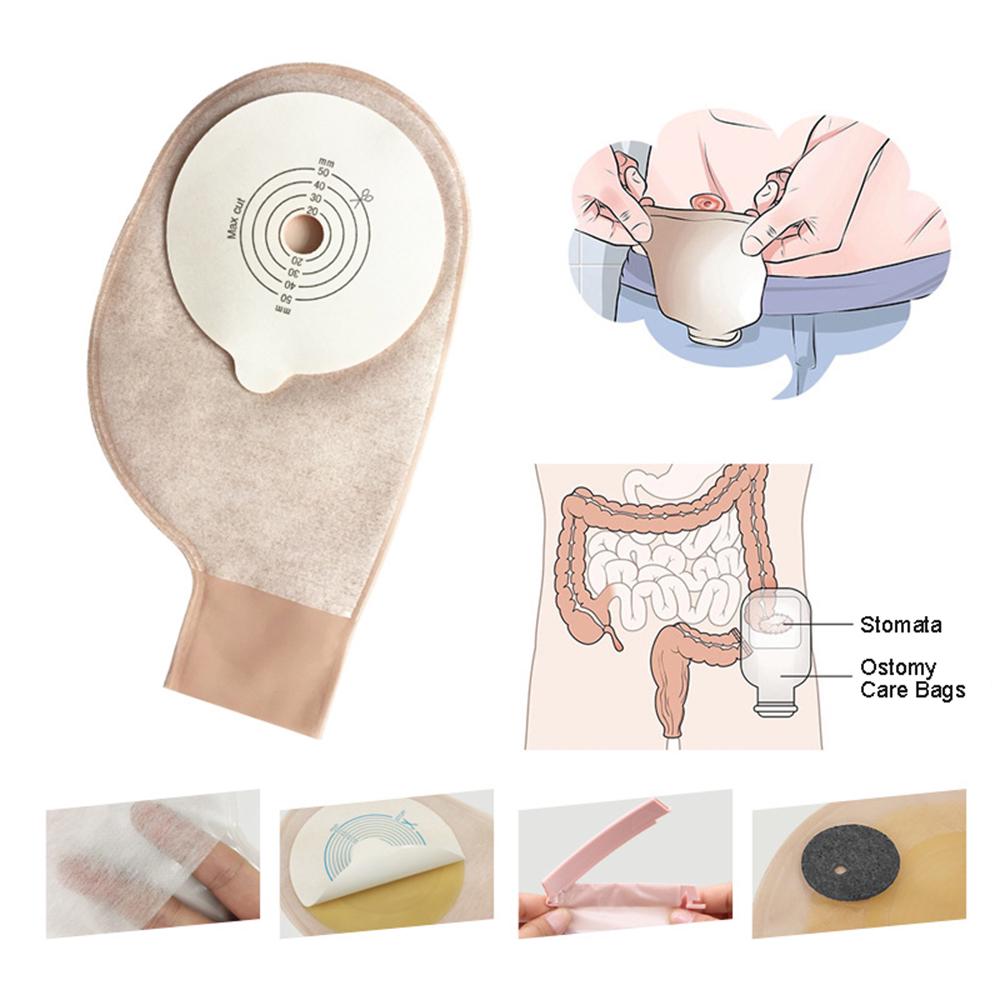





 My Ostomy Diary